
DeepDraft Weekly Maritime Brief | 29 March 2026
Chokepoint Convergence and the Fatigue-Vigilance Paradox
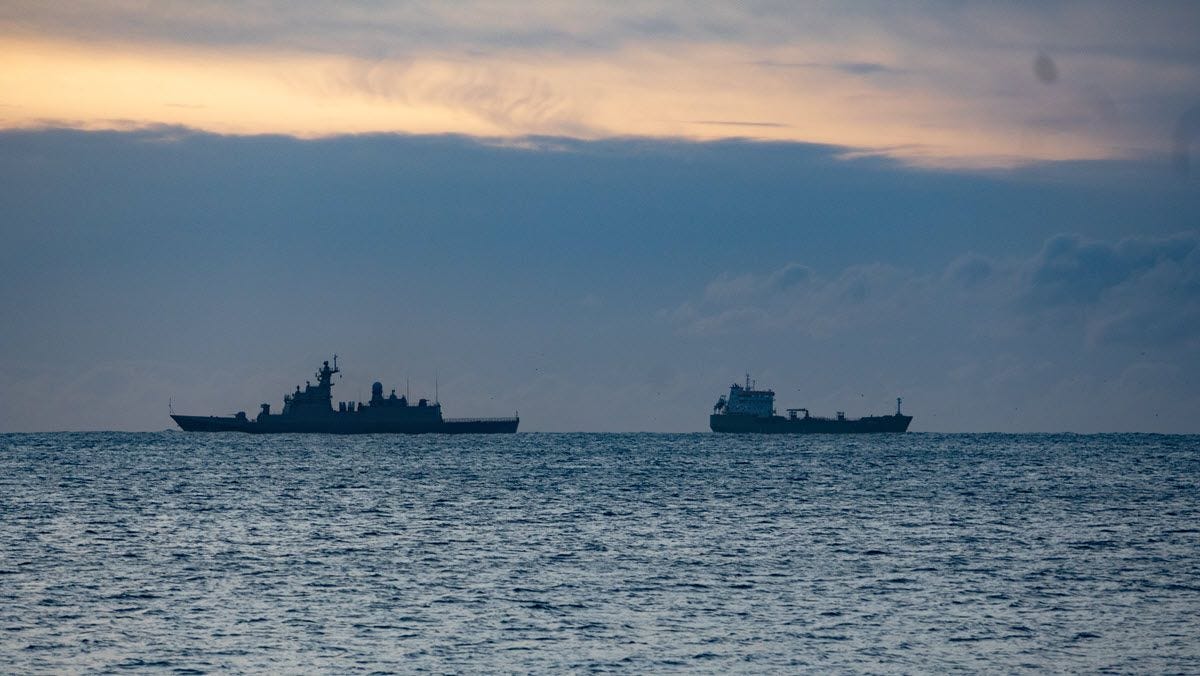
The global maritime operating environment has entered a phase of synchronized kinetic and regulatory disruption. The extended Strait of Hormuz ultimatum, sea-drone activity near the Bosphorus, and registry-based detentions in Chinese ports are reshaping operational planning across key shipping routes. These developments are increasing constraints on routing, insurance, and port access under a fragmented security environment. This operating context places additional strain on bridge teams required to maintain sustained vigilance under prolonged high-alert conditions.
Weekly Analysis: Standing Watch vs. Seated Bridge
Standing watchkeeping is increasingly viewed as an operational limitation rather than a true safeguard. Prolonged standing leads to fatigue and diminished situational awareness over extended watches, particularly on modern integrated bridges. Enforcing standing-only practices often prioritizes visible discipline over sustained cognitive performance. Effective alertness depends on engagement, workload balance, and fatigue management, not physical strain. In high-threat environments, fatigue can delay detection of GNSS anomalies and small craft threats, increasing the risk of error.
For more details, TheDeepDraft, Standing Watch vs Seated Bridge
This Week in Maritime: Timeline of Escalation
22 March: U.S. Issues 48-Hour Ultimatum; LNG Disruption Confirmed
A 48-hour deadline was issued for the reopening of the Strait of Hormuz following intensified IRGC interdiction. Simultaneously, damage to Qatar’s Ras Laffan complex confirmed a multi-year disruption to LNG export capacity.
Read more: https://thedeepdraft.com/2026/03/22/deepdraft-live-wire-trump-issues-48-hour-ultimatum-as-irgc-intensifies-hormuz-interdiction-qatar-lng-repair-timeline-extends-to-5-years/
24 March: Strategic Pause Introduced; IMO Corridor Activated
The initial escalation shifted into a five-day pause following back-channel engagements, delaying immediate strike action. The IMO operationalized a controlled corridor to manage vessel backlog while interdiction activity continued.
Read more: https://thedeepdraft.com/2026/03/24/deepdraft-live-wire-trump-signals-five-day-strategic-pause-as-hormuz-ultimatum-shifts-irgc-rejects-direct-talks/
26 March: U.S. Deploys Low-Altitude Defense; Cost Pressures Intensify
U.S. forces shifted to low-altitude interdiction operations to counter fast-attack and drone threats in the Strait. Concurrently, EU ETS compliance and Cape diversions began materially increasing voyage costs across tanker and LNG segments.
Read more: https://thedeepdraft.com/2026/03/26/deepdraft-live-wire-u-s-shifts-to-low-altitude-strait-defense-as-lng-losses-and-ets-costs-tighten-global-shipping/
27 March: Kinetic Risk Expands to Bosphorus; GNSS Reliability Degrades
A sea-drone strike near the Bosphorus extended kinetic risk beyond the Gulf, prompting tighter security controls in Turkish waters. In Hormuz, GNSS reliability deteriorated significantly, further complicating navigation under high-threat conditions.
Read more: https://thedeepdraft.com/2026/03/27/deepdraft-live-wire-global-chokepoint-convergence-hormuz-zero-hour-meets-bosphorus-kinetic-shift/
28 March: April 6 Deadline Defines Current Operational Window
The ultimatum has been extended to April 6, establishing a controlled window for permission-based vessel movements under continued electronic disruption. Parallel registry-based detentions in Chinese ports indicate an expansion of geopolitical pressure into global trade networks.
Read more: https://thedeepdraft.com/2026/03/28/deepdraft-live-wire-the-april-6-pivot-hormuz-deadline-extended-as-china-panama-retaliation-hits-global-fleet/
The coming week will indicate whether controlled, permission-based movements transition into a stable convoy framework as congestion and sustained risk force a gradual resumption of commercial transits.